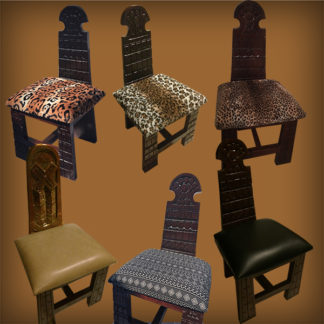
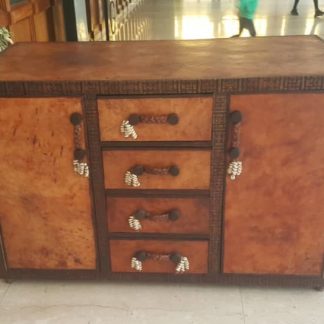
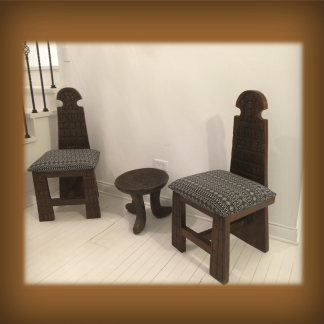
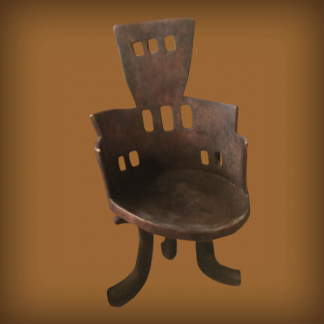
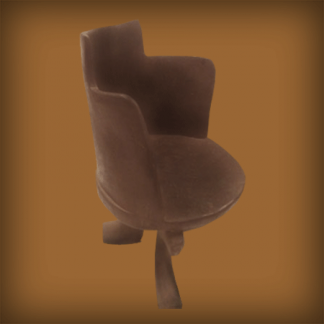
HAND-CARVED ETHIOPIAN
CHAIRS & STOOLS
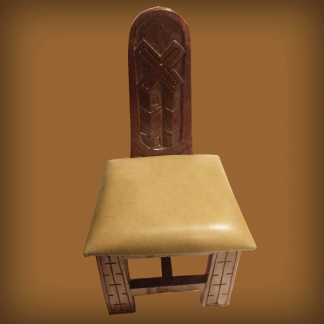
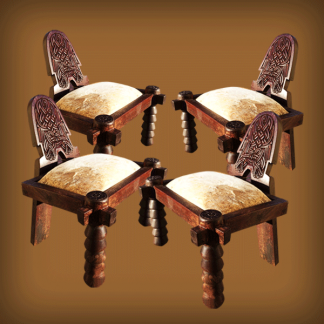
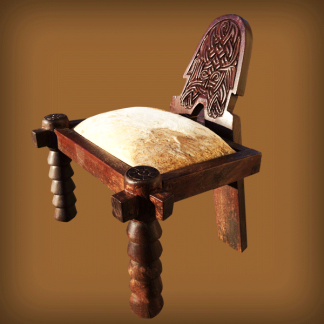
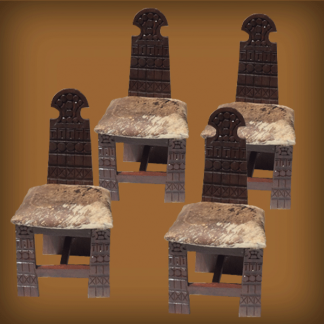
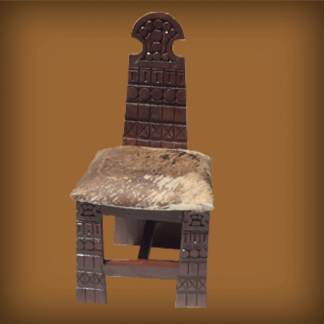
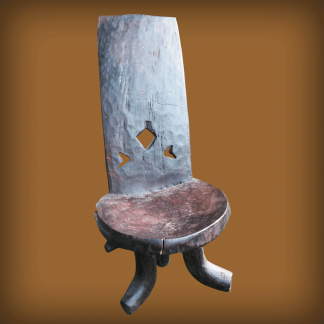
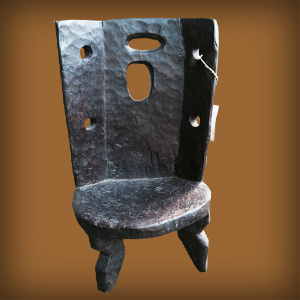
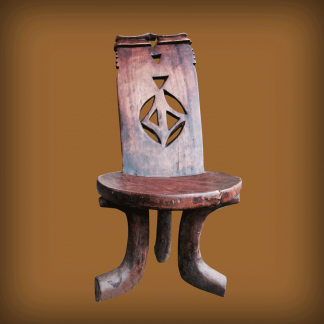
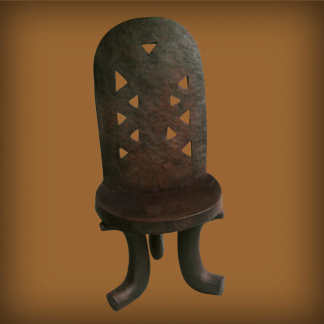
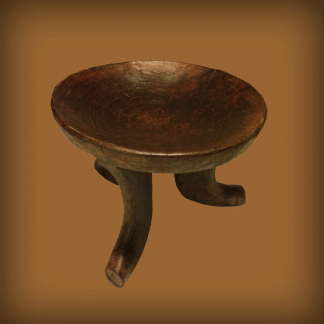
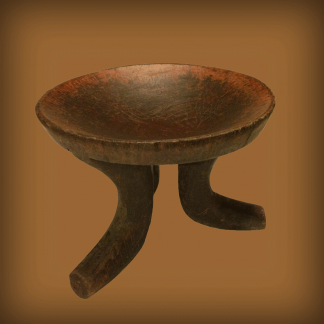
Ethiopia is one of the oldest centers of human existence and the oldest independent nation in Africa. Landlocked between Kenya, Eritrea, Somalia, Sudan and Djibouti it covers an area twice the size of France. This country is home to a myriad of peoples with over 80 different spoken languages. Ethiopia’s tremendous role in the origin of humankind and its important place in religious history often overshadow other aspects of the country’s’ identity. Already known for artifacts appreciated for religious connotations and timelines the citizen artisans of Ethiopia are creators, at present, of beautiful, hand crafted items that are personally important to tribal groups and individuals. These items are never produced en masse each with unique designs. and are exceedingly hard to acquire.
NEW! African Carved Chairs is Pleased to Announce a Portion of our Proceeds will be Donated to These Causes!
LIFE’S SECOND CHANCE FOUNDATION:helping to build a new cancer hospital and research and training center in Ethiopia. The goal is to also create awareness of the growing and nearly unchecked cancer problem in Ethiopia.
LIFE’S SECOND CHANCE FOUNDATION
.
.
THE ETHIOPIAN ORTHODOX CHURCH: African Carved Chairs.com will donate to various projects in Ethiopia and abroad that help various causes of the Ethiopian Orthodox Church such as, in the construction of new churches in needed areas, restoration of existing churches, the restoration of art, manuscripts, crosses, and other artifacts, some dating 500-1000 years old and older.
.
_________________________________________________________________________________
COMING SOON! – Fine Art Paintings
Fine art paintings from Ethiopian local Artists.
Africa is home to a great and thriving contemporary art culture. This has been sadly understudied until recently, due to scholars’ and art collectors’ emphasis on traditional art. Many contemporary African arts borrow heavily from traditional predecessors. Ironically, this emphasis on abstraction is seen by Westerners as an imitation of European and American cubist and totemic artists, such as Pablo Picasso, and Henri Matisse, who, in actuality were heavily influenced by traditional African art. This became the first step of evolution in Western art where people started becoming more open-minded and came out of their shell to explore the different aspects of art.
Ethiopian painting has made a smooth transition, stylistically and aesthetically, from the religious to the secular. The canvasses are rich in color and alive with movement and crowds, sometimes extraordinary numbers of people, who engage the eye of the viewer with their eyes — even when glancing right or left. It is one of the stylistic hallmarks of Ethiopian painting, the rendering of eyes. The twentieth-century secular painting tradition is also an extraordinary visual record of Amharic history and culture, as is quickly apparent by simply leafing through the pages of this book.